Work Culture

Browse all posts in this category

Work Culture
Project ManagementWork Culture

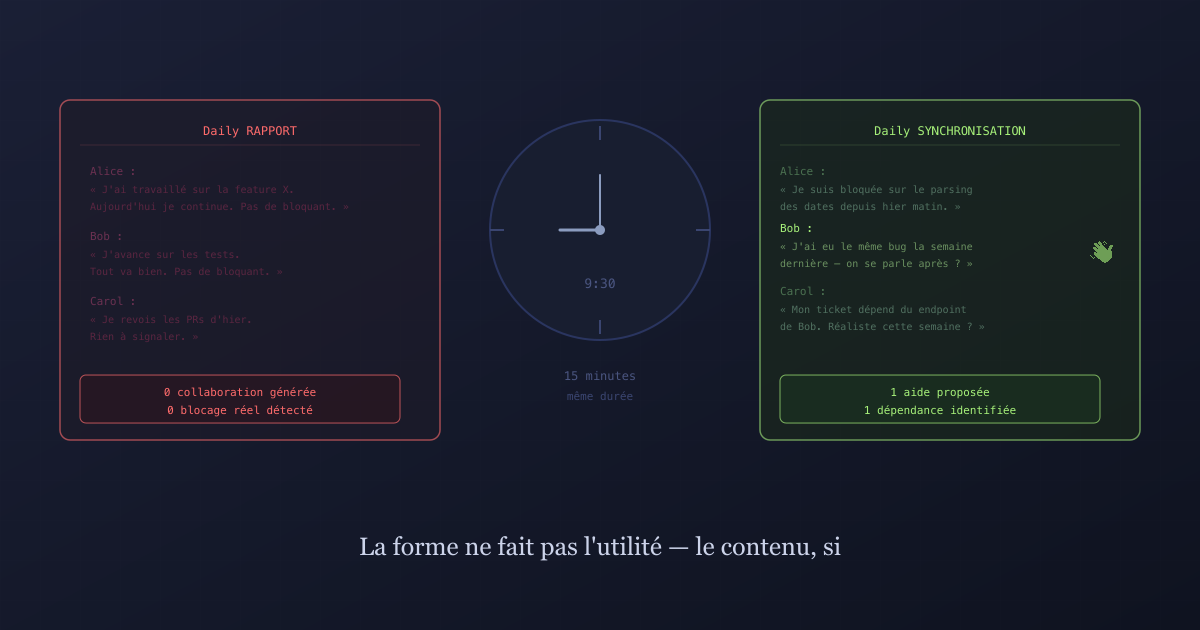
Why Daily Standups Are Often Useless

It is 9:30. The team is gathered. Each person in turn answers the three questions: 'What did I do yesterday, what am I doing today, what are my blockers.' Fifteen minutes later, everyone goes back to their screen without anything having changed. This daily accomplished nothing.

By Sinra Team
Work Culture
Work Culture

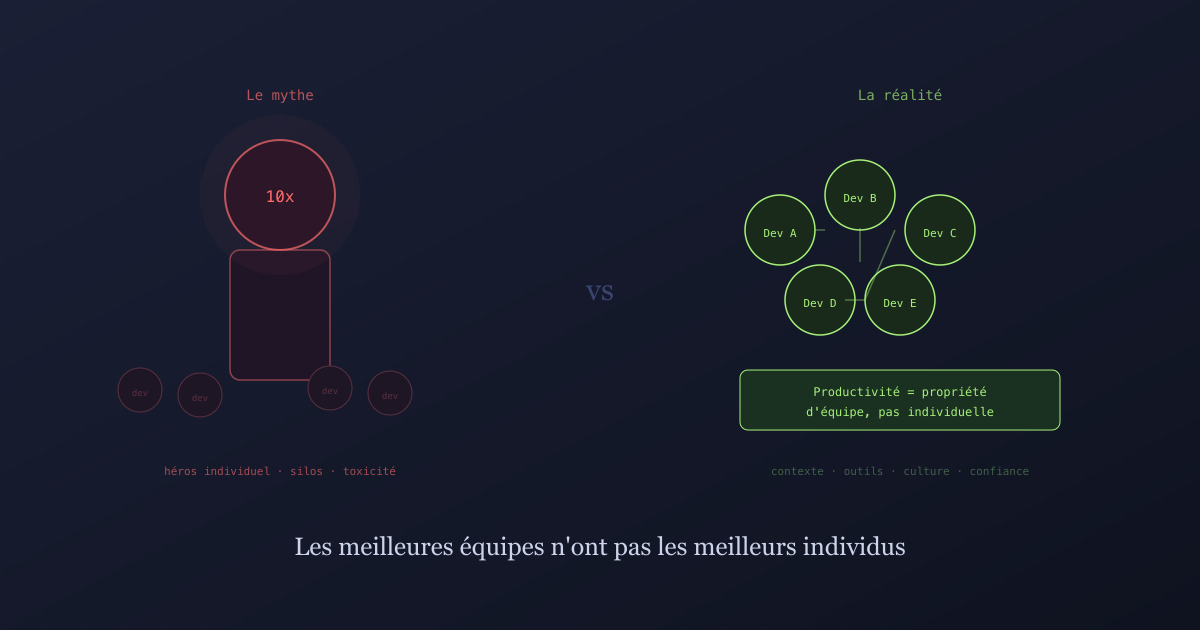
The Myth of the 10x Developer

There is an admired archetype in the tech industry: the brilliant, solitary developer who produces more code than ten ordinary developers. This archetype influences hiring decisions, justifies unequal compensation packages, and creates dysfunctional team cultures. It is also largely a myth.

By Sinra Team
Work Culture
Project ManagementWork Culture

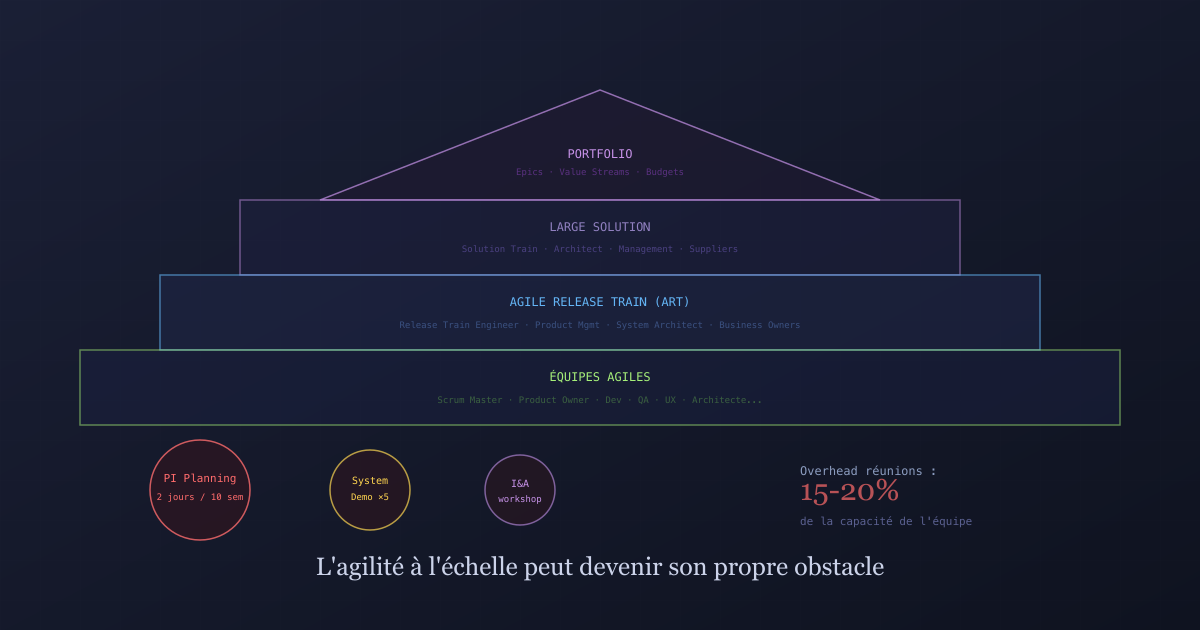
SAFe: When Agile at Scale Becomes Bureaucracy

Your organization has implemented SAFe. You now have ARTs, PI Plannings, System Demos, and Inspect & Adapt workshops. Your organization is also slower, more meeting-heavy, and more frustrating for engineers than before. This is not a bug in your SAFe implementation. It is often a feature.

By Sinra Team
Work Culture
Project ManagementWork Culture

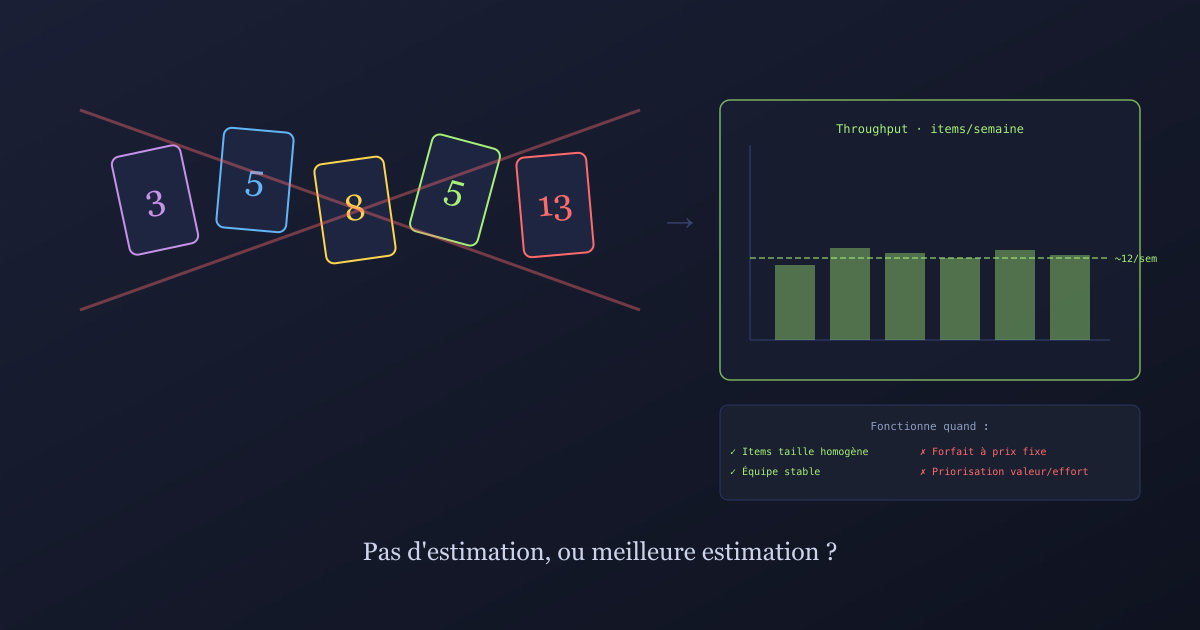
#NoEstimates: Good Idea or a FAANG Luxury?

Estimation is often a shared fiction: developers give numbers they know are imprecise, management treats them as commitments, and when estimates are exceeded, everyone is surprised to be surprised. #NoEstimates says: let's stop the fiction. The question is: what do we replace it with?

By Sinra Team
Work Culture
Work CultureDevelopment Productivity

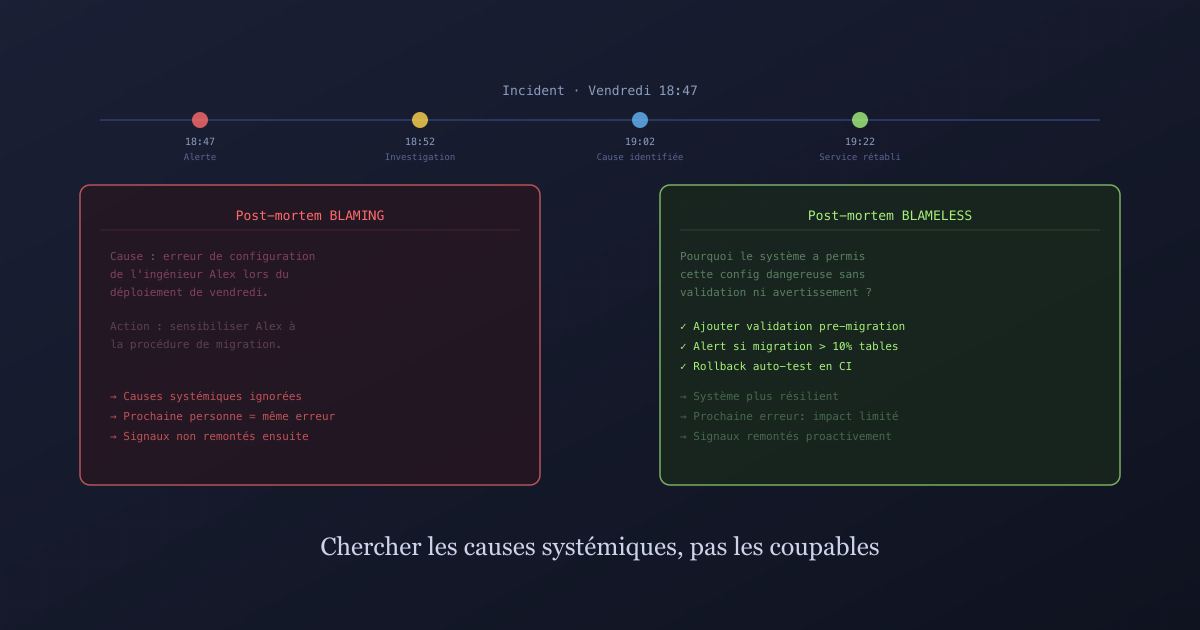
Blameless Post-Mortems: Why They Are Rare in Europe

The production database went down on Friday at 6pm. The post-mortem was held on Monday. In the write-up: five process improvement points, three technical remediation actions, and a discreet mention that 'the incident was caused by human error during migration.' That sentence is the opposite of a blameless post-mortem.

By Sinra Team
Work Culture
Work CultureDevelopment Productivity

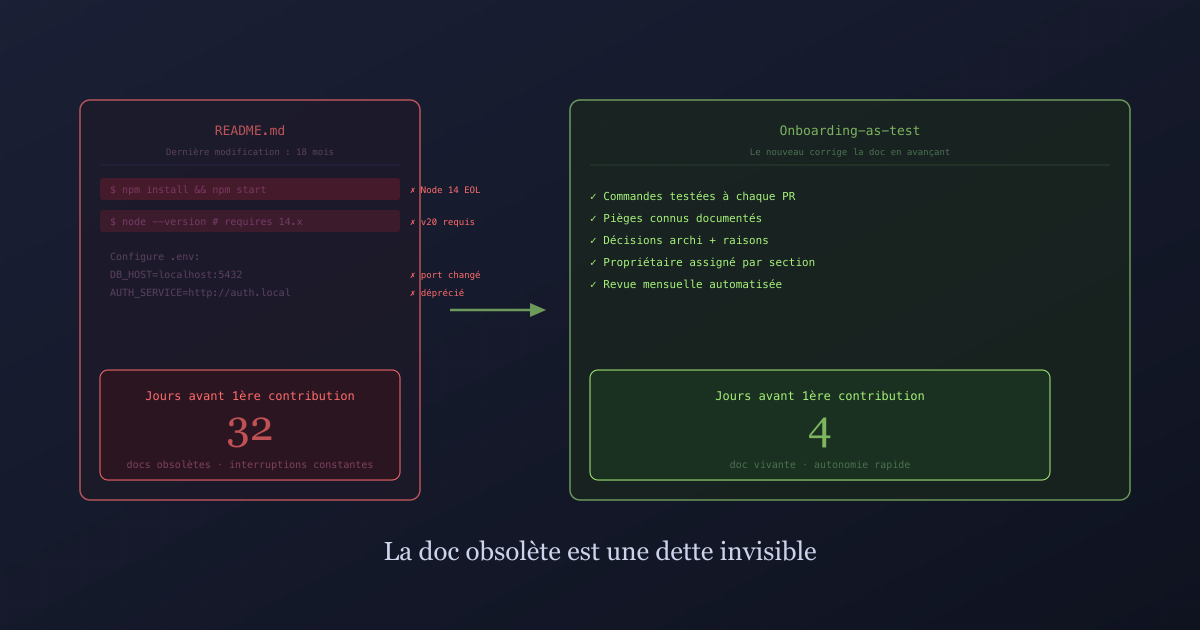
Developer Onboarding: The Real Cost of Outdated Docs

How many days does a new developer spend trying to get the project running locally before they can actually contribute? In most teams, the answer is somewhere between two and ten days. The onboarding documentation exists - it's just wrong.

By Sinra Team
Work Culture
Work CultureProject Management

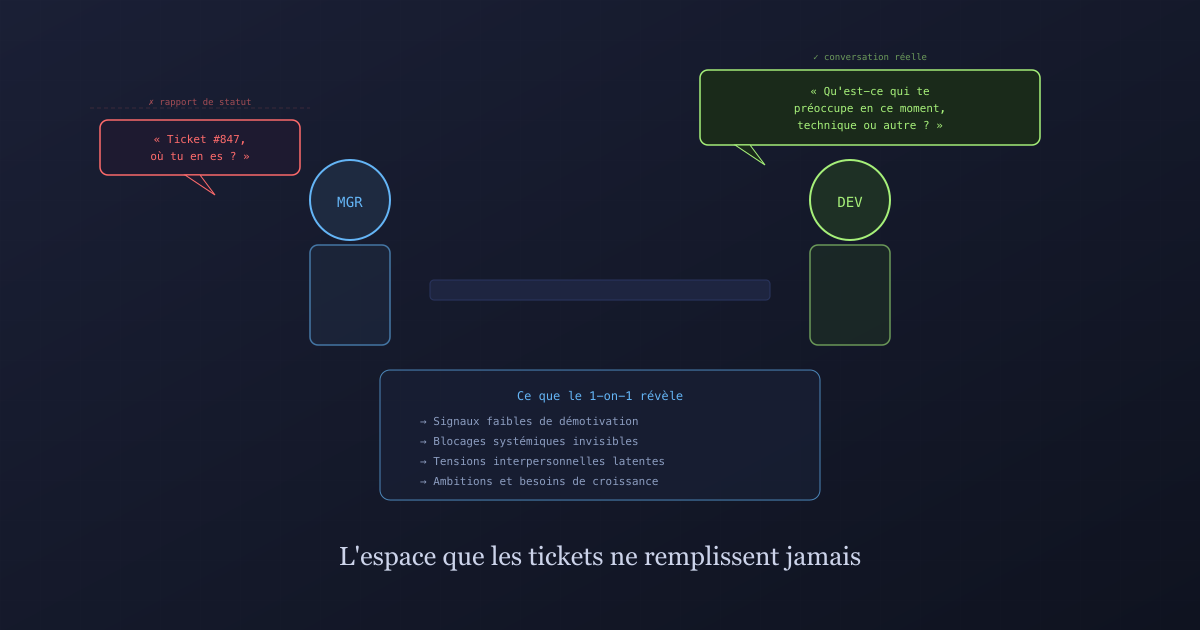
What Your 1-on-1s Should Measure (and Don't)

How many times have you had a 1-on-1 where your manager opened Jira to review your current tickets? That meeting could have been an email, or a glance at the Kanban board. A 1-on-1 that looks like a status report is a wasted 1-on-1.

By Sinra Team
Work Culture
Work CultureProject Management

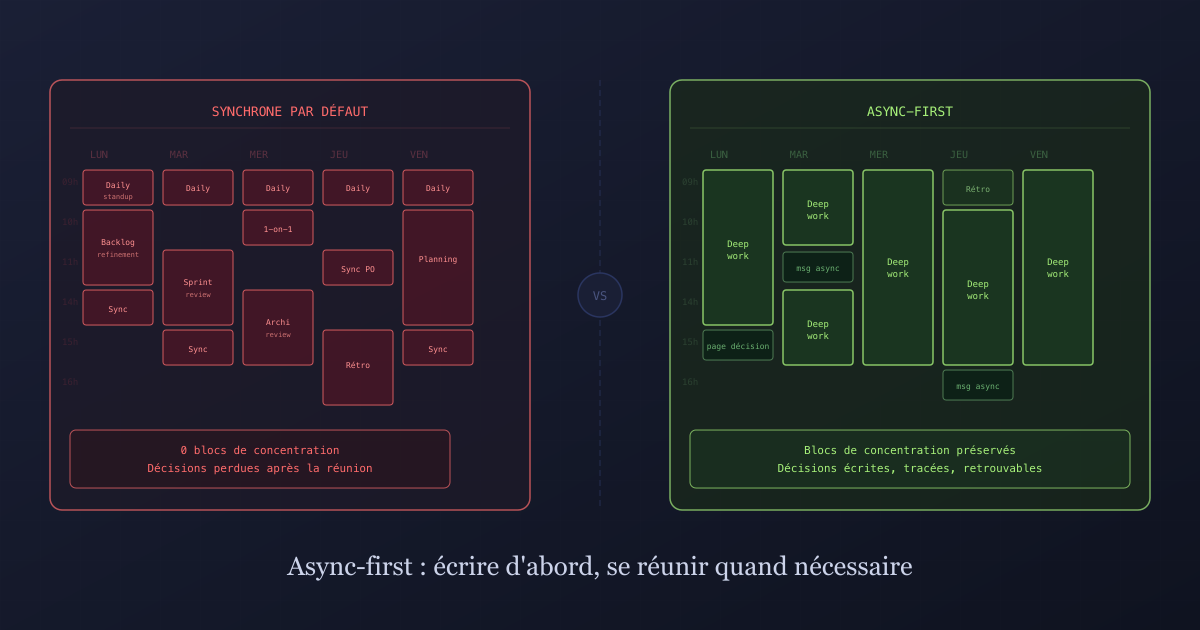
The Planning Meeting That Replaces Three Days of Unread Notion

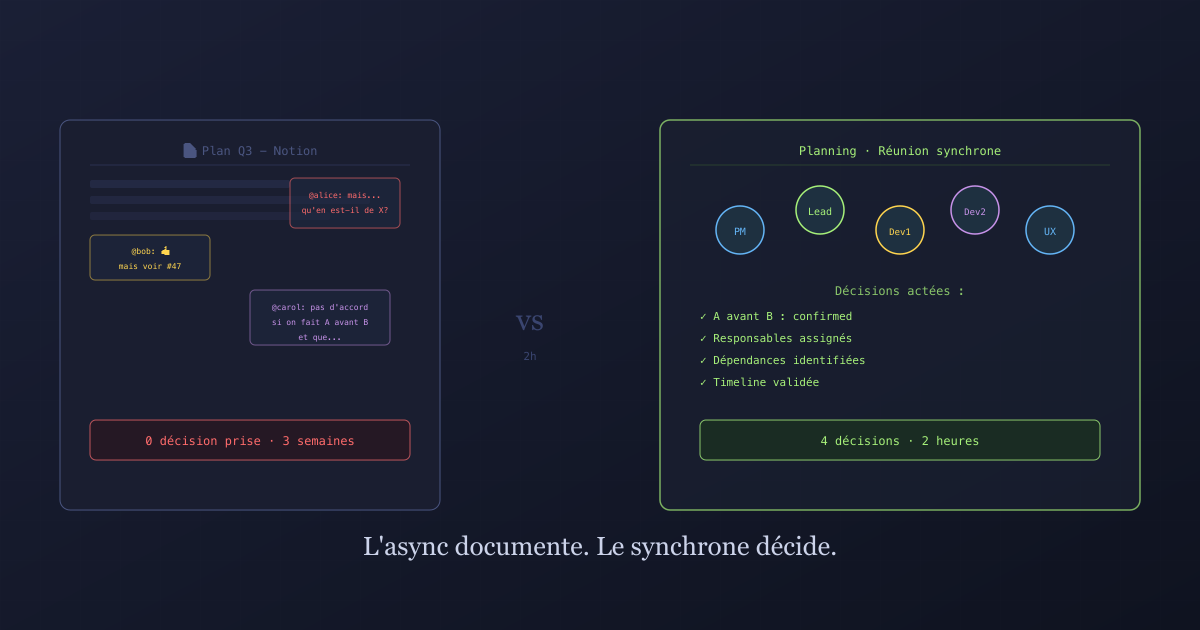
Your team has a Notion page with next quarter's plan. It was written last week. Three people added comments. Two reacted with an emoji. The plan hasn't changed. No decision has been made. That's async without guardrails: lots of activity, little resolution.

By Sinra Team
Work Culture
Project ManagementWork Culture

Cycles without the velocity game: escaping Scrum theater

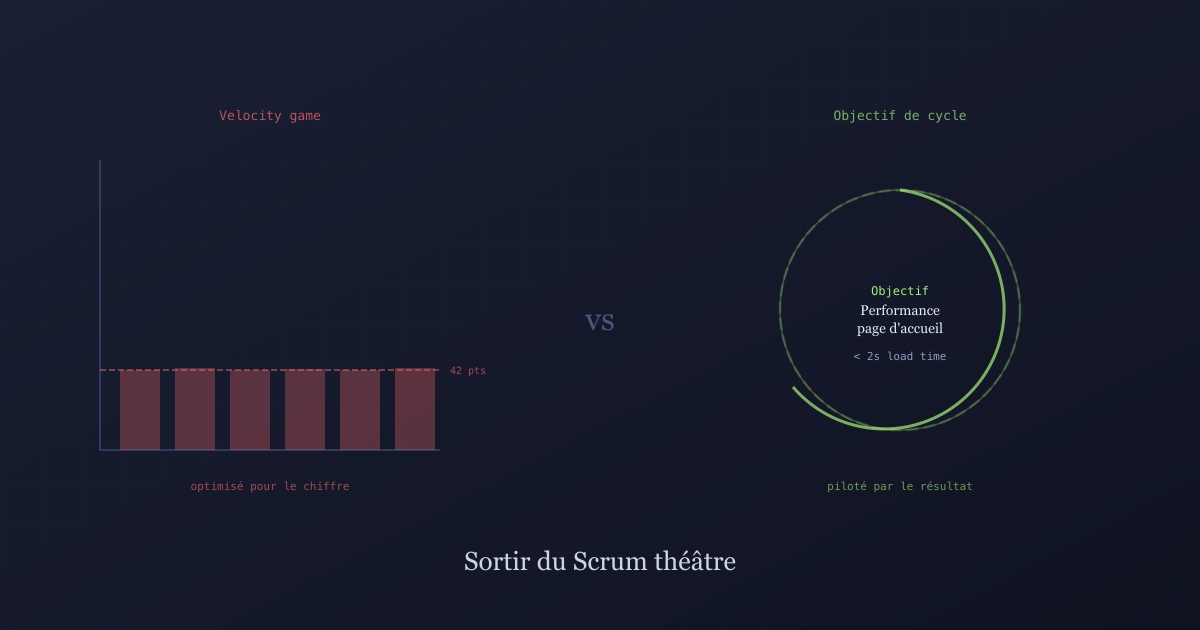
"Our velocity is 42 points per sprint." This sentence is spoken with pride in hundreds of planning meetings every week. What does it actually say? That the team is closing tickets at a consistent pace. What it does not say: whether those tickets create value, whether the estimates are realistic, whether the team is thriving.

By Sinra Team
Work Culture
Project ManagementWork Culture

A user story is not a ticket: why the words you choose shape your work

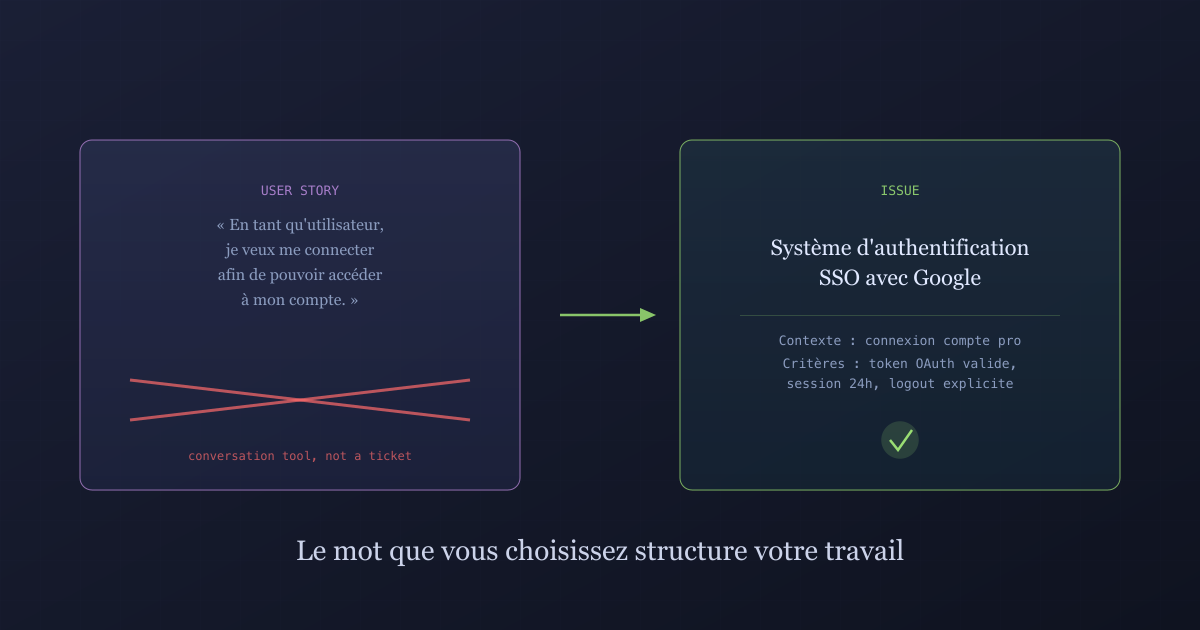
"As a user, I want to be able to log in so that I can access my account." This ticket has been written millions of times. It describes nothing useful about what the developer needs to do. That is the central problem with the user story as a unit of work.

By Sinra Team
Work Culture
Work CultureDeveloper Productivity

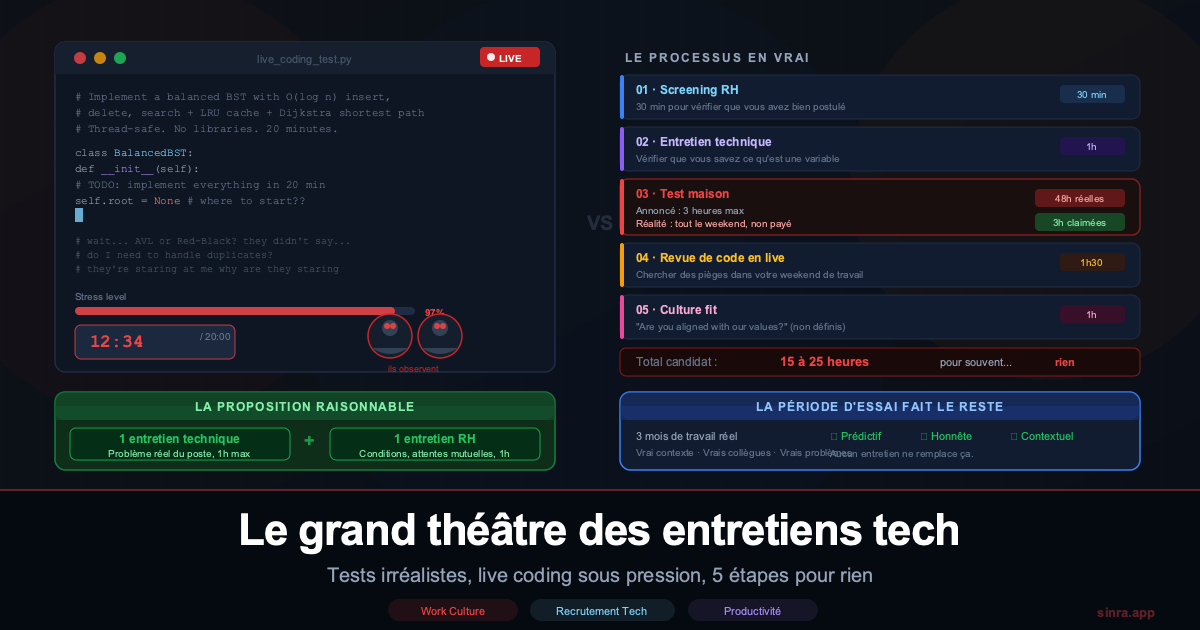
The great theatre of tech interviews: why we hire into a void

How many hours of your life have you spent implementing a bubble sort algorithm for a role where you'll spend your days making REST calls and debugging SQL queries? Tech hiring has turned into an obstacle course that measures nothing useful.

By Sinra Team
Work Culture
Work Culture

The French Recruitment Paradox: 4 Interviews, 1 Test, Zero Trust

You’ve probably heard this question before: “Why in France is hiring like auditioning for a Spielberg film, but for a €2,500/month job?”

Here’s the paradox: France has some of the most protective employment laws in the world. Trial periods can last for months. Employers can legally test the relationship before committing. Yet French startups have created an obstacle course: 4 interviews, 1 technical test, reference verification, sometimes even a case study to complete at home.

By Sinra Team
Work Culture
Work Culture

Why Full Remote Became Taboo? From COVID Revolution to Mandatory Office Returns

Do you remember 2020-2021? Full remote was the promise of the future of work. Companies suddenly discovered their employees could be productive from home. Commutes disappeared. Real estate costs plummeted. Talent could come from anywhere in the world. It was a revolution.

Today, in 2026, the pendulum has swung completely. Job postings scream “hybrid 3 days in office” or flatly “on-site only.” Recruiters ask you: “You can come to the office, right?” as if you’d asked something strange. Full remote? It’s become almost toxic to request.

By Sinra Team