 sinra
Project ManagementPlanning
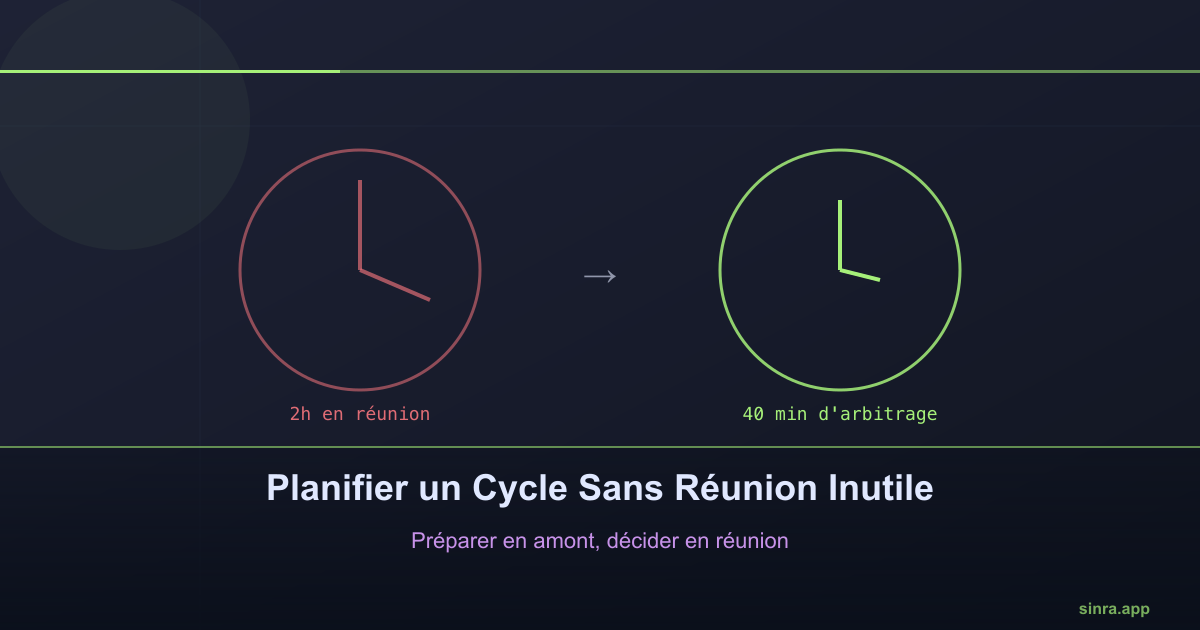
How to Plan a 2-Week Cycle Without a Wasted Meeting
The cycle planning meeting often runs well beyond what it should, because it actually serves to do work that should have been done before it even started.
Learn modern project management strategies, release planning, QA integration, and team scaling. Insights for engineering leaders and project managers.
The cycle planning meeting often runs well beyond what it should, because it actually serves to do work that should have been done before it even started.
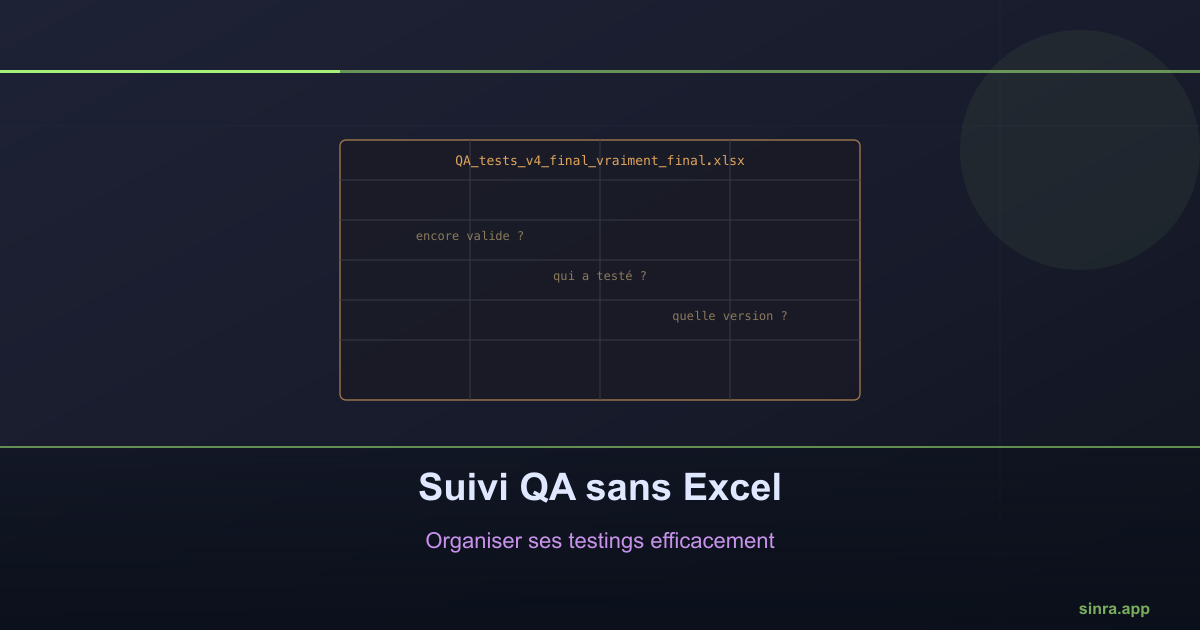
The file "QA_tests_v4_final_really_final.xlsx" is not an exaggeration for many teams. Here is why Excel breaks down on this specific use case, and what structured tracking actually changes.
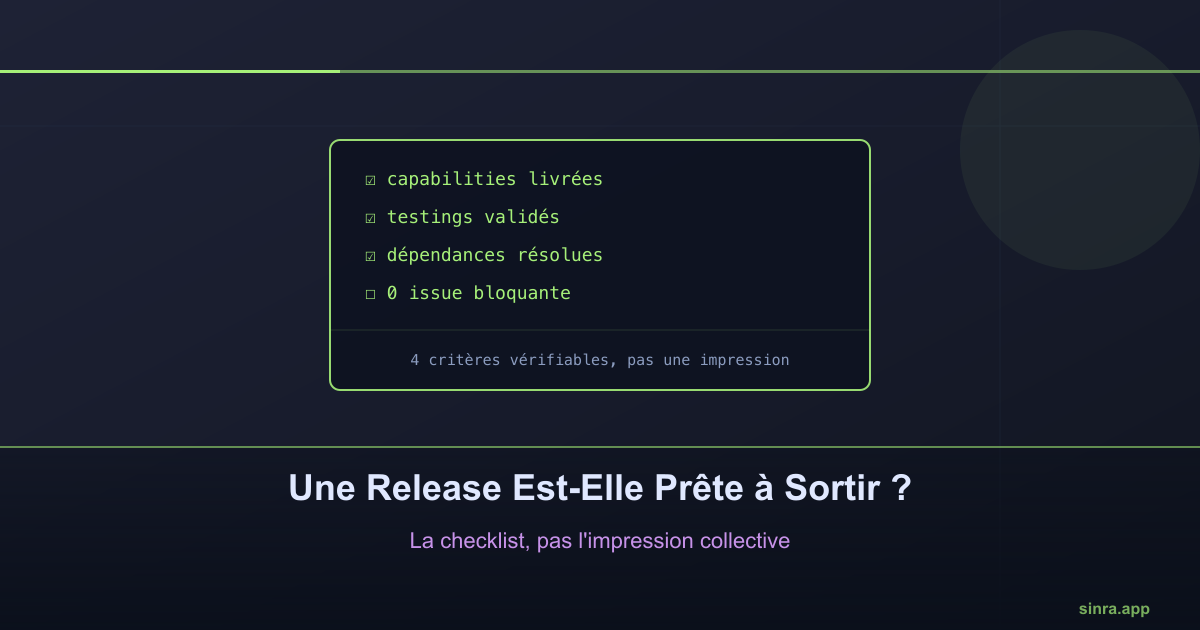
The question "can we ship?" too often gets an answer based on a general impression rather than verifiable criteria. Here is how to turn that impression into a checklist.
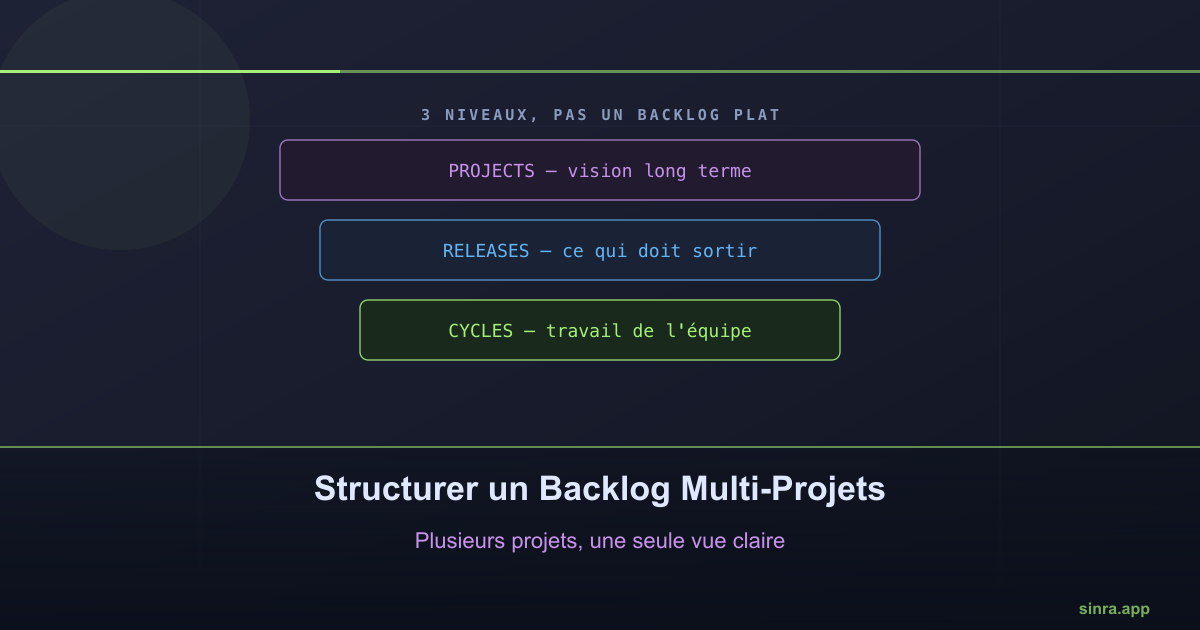
Three projects, one team, a single backlog that keeps growing without anyone knowing what belongs to what: this scenario always ends up slowing everyone down, not just the lowest-priority project.
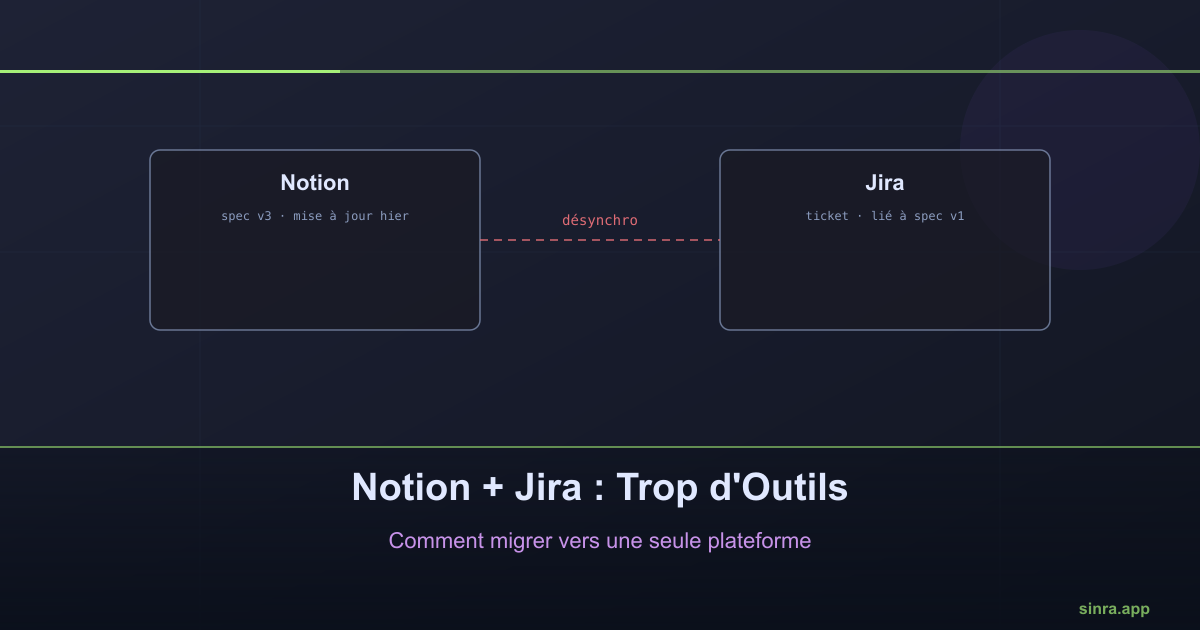
A spec lives in Notion. The ticket that implements it lives in Jira. Six months later, the spec has changed three times and the ticket has no idea. Almost every team that combines both tools lives this scenario.
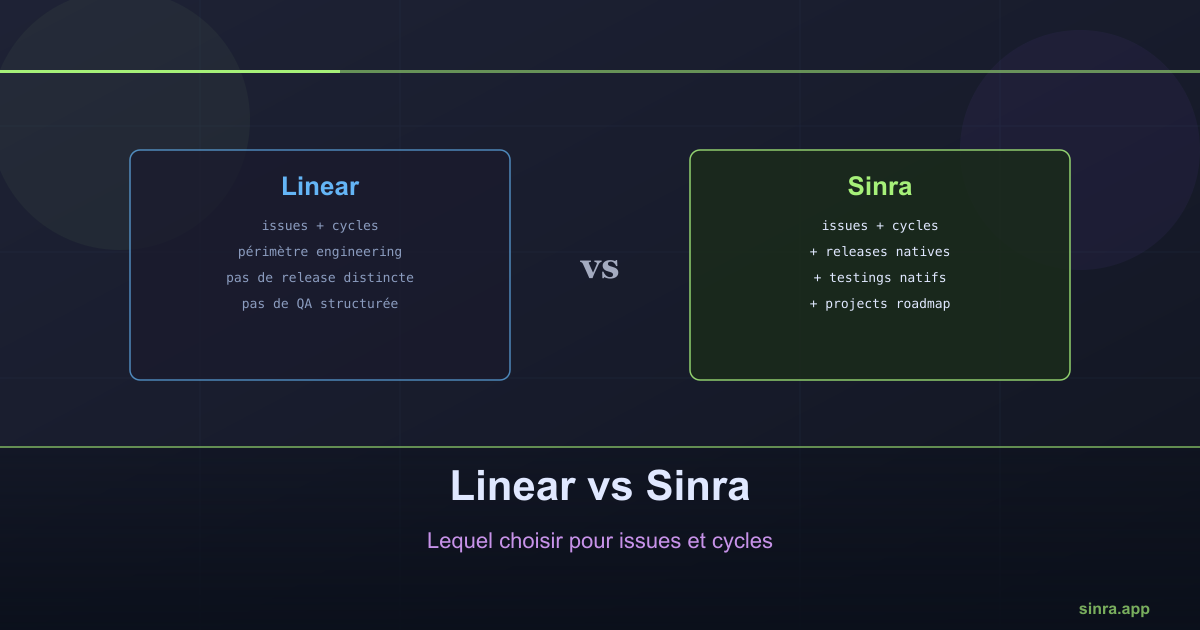
Linear and Sinra both use the word cycle. That is not a coincidence: both tools reject the classic Scrum vocabulary. But beyond that shared word, their respective scope diverges sharply.
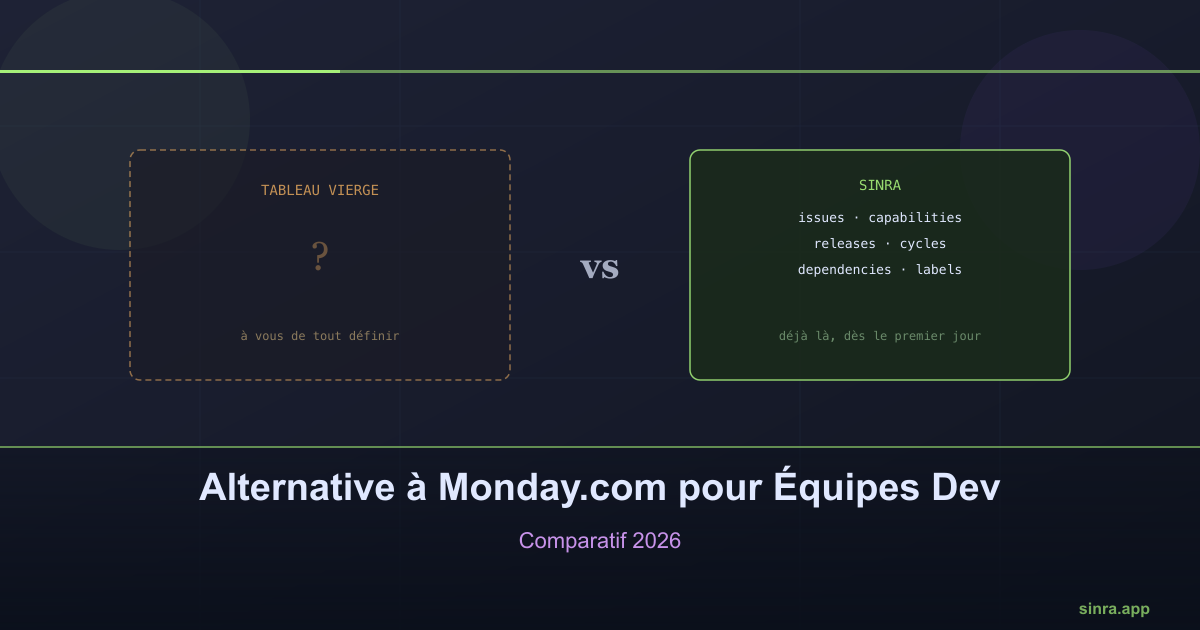
Monday.com lets you build anything: that is its marketing strength and its practical weakness. A development team that adopts Monday.com spends its first weeks defining, by itself, what a dedicated tool offers by default.
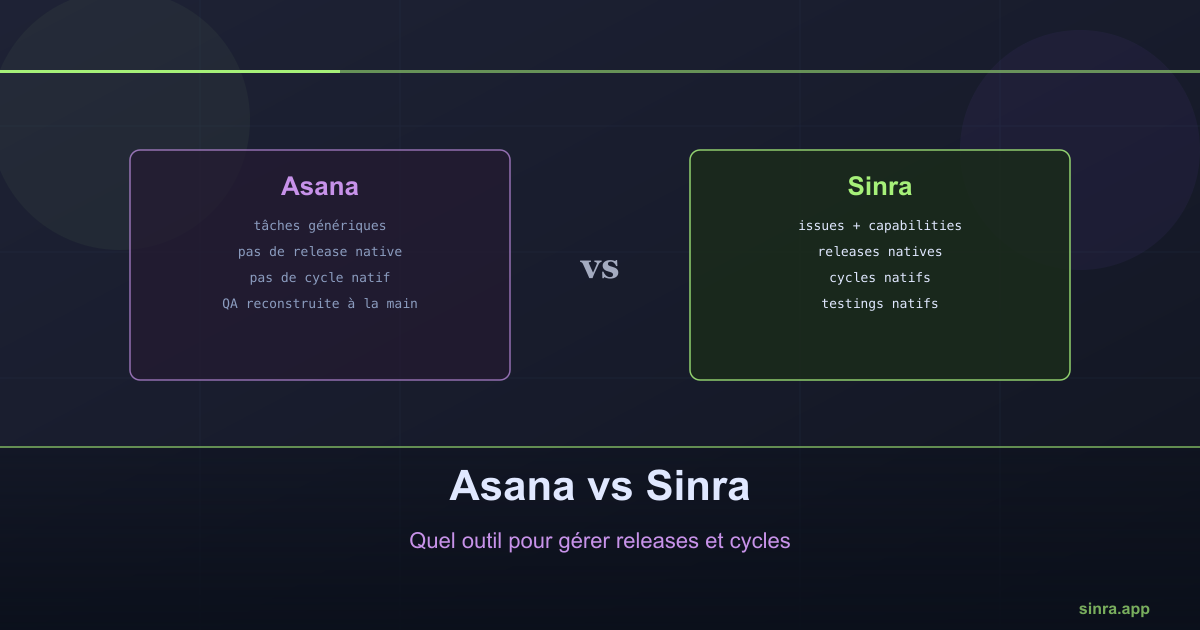
Asana is an excellent task management tool, used by marketing, HR and operations teams as much as by product teams. That versatility comes at a cost when it comes to tracking precise software releases.
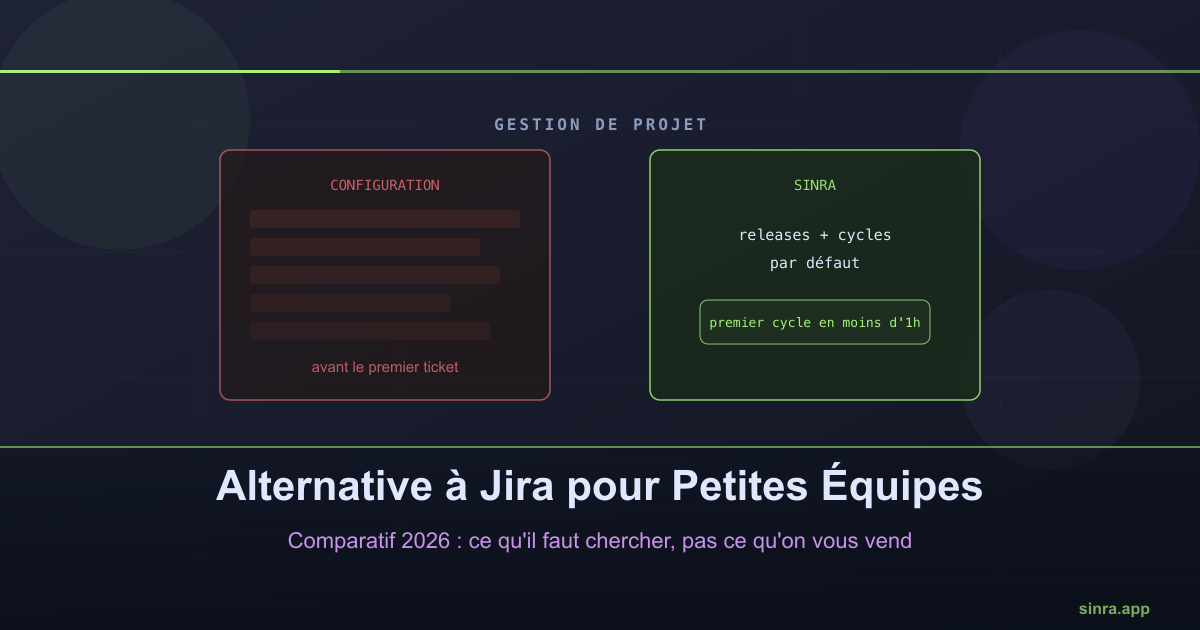
Spending half a day configuring Jira workflows before creating a single ticket: many small teams live this moment and wonder if the tool is really made for them. Here is what gets in the way and what to look for instead.
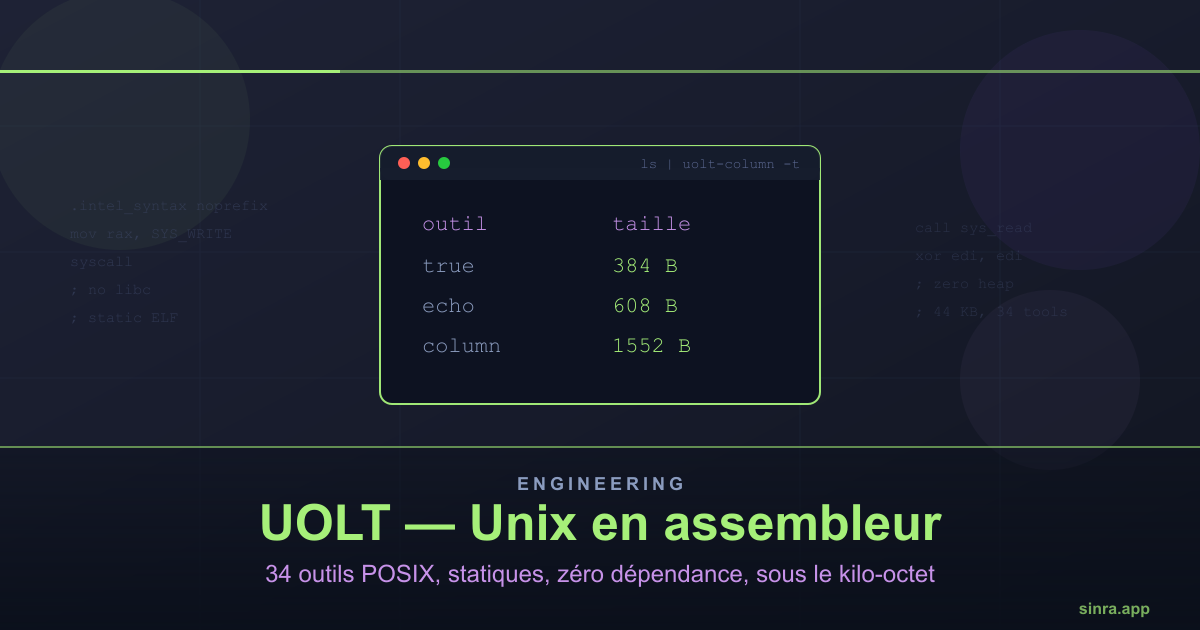
A modern cat weighs tens of kilobytes and drags the whole libc behind it. Does it have to? UOLT says no: every tool is hand-written in x86_64 assembly, no libc, no heap, talking to the kernel directly. The full suite fits in the space a single coreutils binary takes. Here is the thinking behind it.